
A Closer Look at ShangGuo Technology's Custom Battery Pack Manufacturing
Explore the key considerations behind custom battery pack manufacturing, from cell selection and BMS configuration to connector assembly, customization and quality inspection.
A custom battery pack is more than a collection of battery cells. Its design involves electrical specifications, cell configuration, battery management, mechanical structure, wiring and connection interfaces. Each element needs to work with the requirements of the target device.
At ShangGuo Technology, we focus on customized rechargeable battery solutions for different applications. Projects may involve selecting suitable battery cells, reviewing pack dimensions, configuring protection functions and matching connectors and wiring to the device.
This article takes a closer look at the main elements involved in custom battery pack manufacturing and how they contribute to a suitable battery solution.
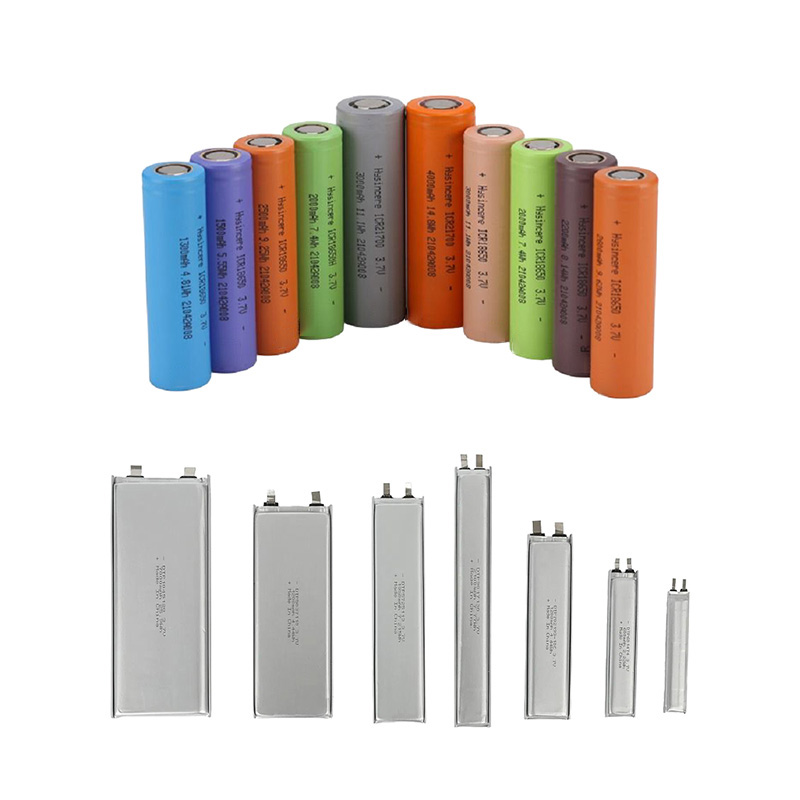
Battery cells are the foundation of every battery pack. The appropriate cell type depends on the device's voltage, capacity, discharge requirements, available space and operating conditions. Different applications may require different cell chemistries and formats.
The selection process considers the balance between energy capacity, output performance, physical dimensions and the intended operating environment.
Choosing cells based on capacity alone may overlook discharge performance, dimensions, temperature conditions and other factors that influence the final battery pack design.
The physical structure of a battery pack affects how it fits into a device and how its internal components are arranged. For products with limited installation space, the battery layout needs to be considered alongside the electrical design.
For customized projects, mechanical design and electrical configuration should be reviewed together. This helps ensure that the battery pack is not only electrically suitable but also compatible with the device's installation requirements.
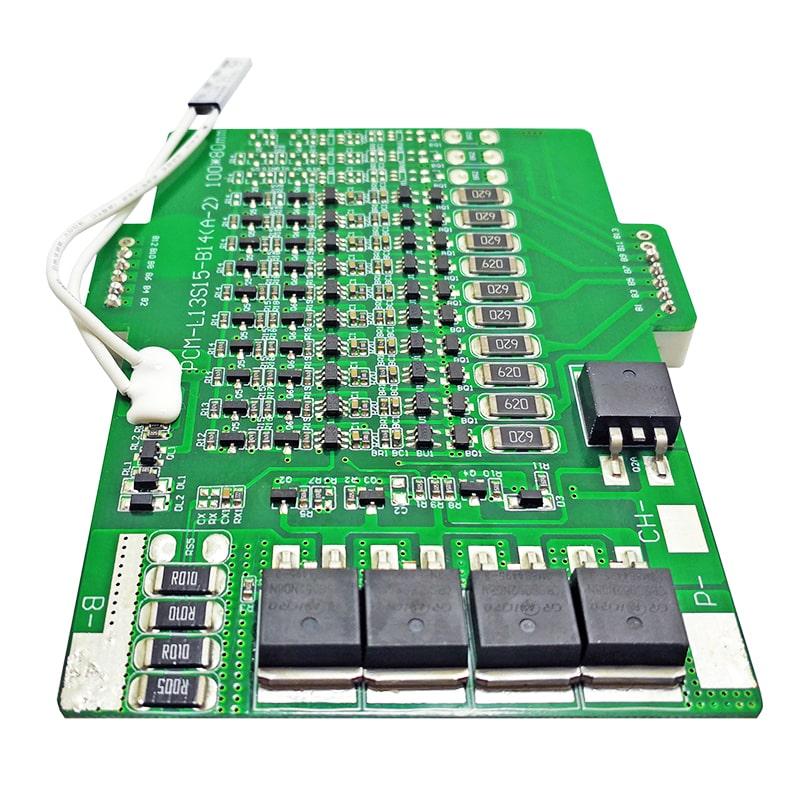
The Battery Management System (BMS) helps monitor and manage the operating conditions of a rechargeable battery pack. Its configuration should be matched to the battery chemistry, cell arrangement, current requirements and the needs of the connected device.
The BMS can be configured with appropriate protection functions and operating parameters based on the battery design and project requirements.
Charge and discharge current, voltage limits and protection thresholds.
Optional SMBus, I2C or CAN communication according to device requirements.
Active or passive balancing options depending on the battery configuration.
PC pins, solder tabs, lead wires, cables and customized connectors.
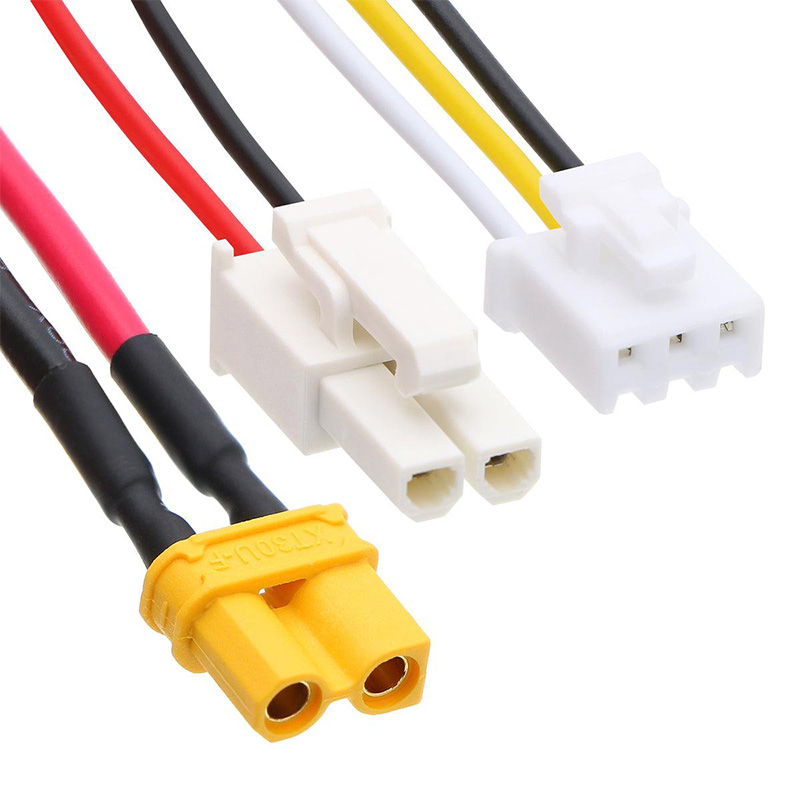
The battery connector is the interface between the battery pack and the target device. Even when two battery packs have similar voltage and capacity, their connectors, pin arrangements or wire lengths may be different.
Connector details should be confirmed before assembly. Providing the original battery, connector photos or device interface information can help clarify the required configuration.
A connector that looks similar may have a different pinout or electrical arrangement. Always confirm polarity, pin configuration and interface requirements before connecting a battery pack to a device.
A custom battery pack may require several modifications to match the final product. In addition to voltage and capacity, customers can discuss the pack structure, connection interface, BMS configuration, wire length, labels and packaging requirements.
Configure the battery's electrical specifications around the device requirements.
Review customized pack dimensions and cell arrangements for available space.
Select appropriate protection functions, parameters and communication options.
Customize the interface, pin configuration, wire length and termination method.
Discuss product labels, logos and identification information.
Review packaging requirements according to the product and shipping needs.
The final configuration depends on the technical requirements and feasibility of each project. Reviewing these details early helps align the battery design with the finished product.
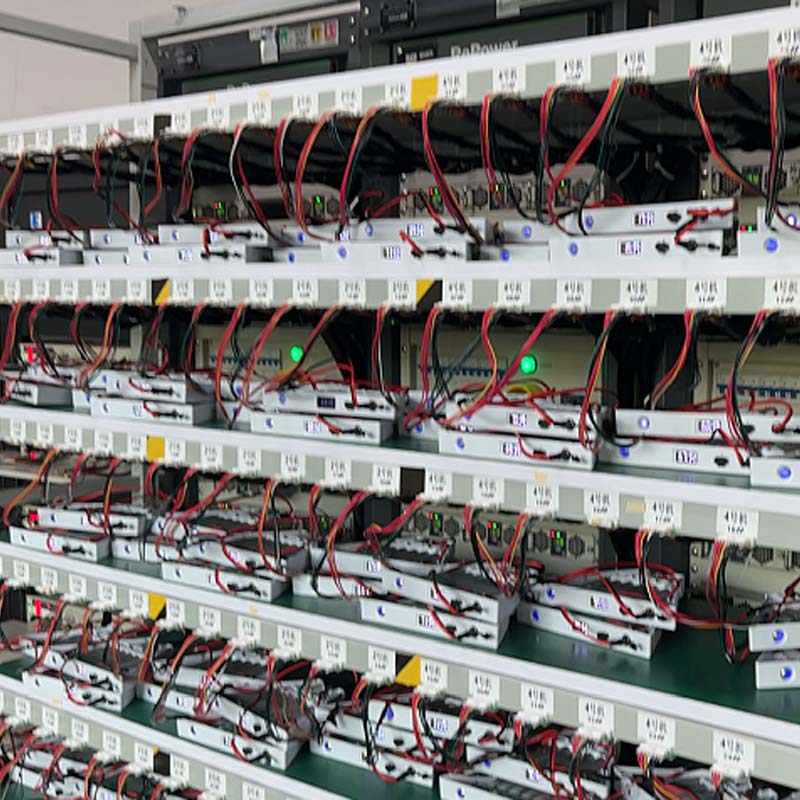
Testing and inspection help verify whether a battery pack meets its defined specifications. The appropriate inspection items depend on the battery design, application, customer requirements and applicable standards.
Relevant checks can be arranged according to the agreed technical specifications and the intended use of the battery pack.
Different products have different power requirements, installation conditions and connection interfaces. Custom battery pack design can be considered for a wide range of consumer, commercial and professional applications.
Portable devices, smart products, speakers and personal electronics.
Robot lawn mowers, robotic equipment and smart home devices.
Portable power equipment, outdoor electronics and energy-related devices.
Battery configurations for compatible portable medical equipment.
Battery packs for professional tools and specialized equipment.
Underwater equipment, tracking devices and other specialized products.
A custom battery project starts with clear communication about the device and its power requirements. ShangGuo Technology supports OEM/ODM battery projects by coordinating battery specifications, design considerations and suitable manufacturing solutions.
Discuss voltage, capacity, dimensions, cell configuration and electrical requirements.
Review customized battery designs, interfaces, BMS and product requirements.
Discuss prototype requirements and sample arrangements before larger orders.
Evaluate battery configurations according to different device and industry requirements.
Whether you are developing a new electronic product or sourcing a customized battery pack for an existing device, sharing the technical details early can help make the project evaluation more efficient.
Useful information includes the required voltage and capacity, device model, available installation dimensions, operating current, connector details and intended application. Drawings or photos of the original battery can also help with the initial evaluation.
Yes. Voltage and capacity can be evaluated according to the required cell chemistry, series and parallel configuration, device power demand and available space.
Connector types, pin configurations, wire lengths and termination methods can be discussed during the design stage. The required interface should be confirmed using device specifications, connector photos or an original battery reference.
BMS configuration can be evaluated according to battery chemistry, pack structure, current requirements, protection functions and communication needs. The final configuration depends on the specific project.
ShangGuo Technology supports OEM/ODM custom battery projects. Customers can discuss battery specifications, pack structure, connectors, BMS configuration, labels and packaging requirements.
Sample development can be discussed according to the project specifications and feasibility. A prototype can help evaluate the battery's dimensions, connections and relevant electrical characteristics before proceeding to larger production quantities.
ShangGuo Technology provides custom battery pack design and OEM/ODM manufacturing support for a wide range of applications. Share your device requirements, drawings and target specifications to start evaluating a suitable battery solution.
ShangGuo Technology — Custom Battery Pack Design & Manufacturing
Scan to Wechat :

Scan to Whatsapp :

Home
Products
contact